Restoration · Protection · Craftsmanship

Protecting What
Already Has Value.

Your outdoor spaces represent years of investment and care. When something doesn’t feel quite right, the right response isn’t urgency — it’s expertise.

What We Repair

Every structure fails
in its own way.

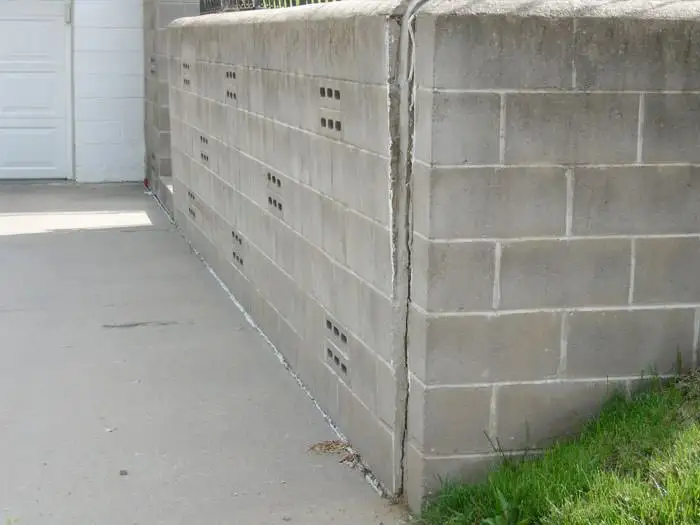
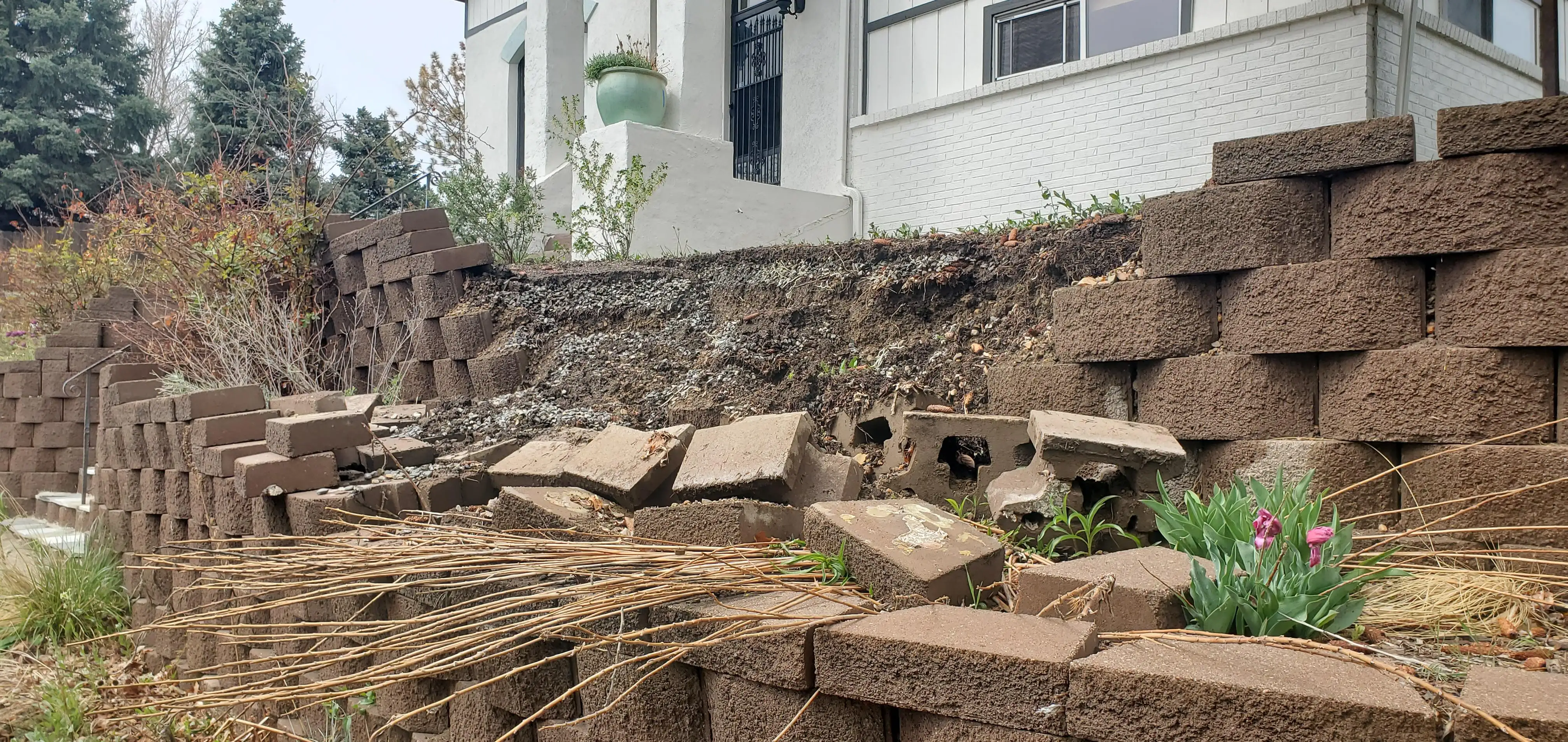
Failed retaining wall — collapsed blocks and displaced masonry

Retaining Walls

  • Leaning, bowing, or separating from grade
  • Cracks running through the masonry face
  • Mortar joints crumbling or washing out
  • Drainage saturating soil behind the wall
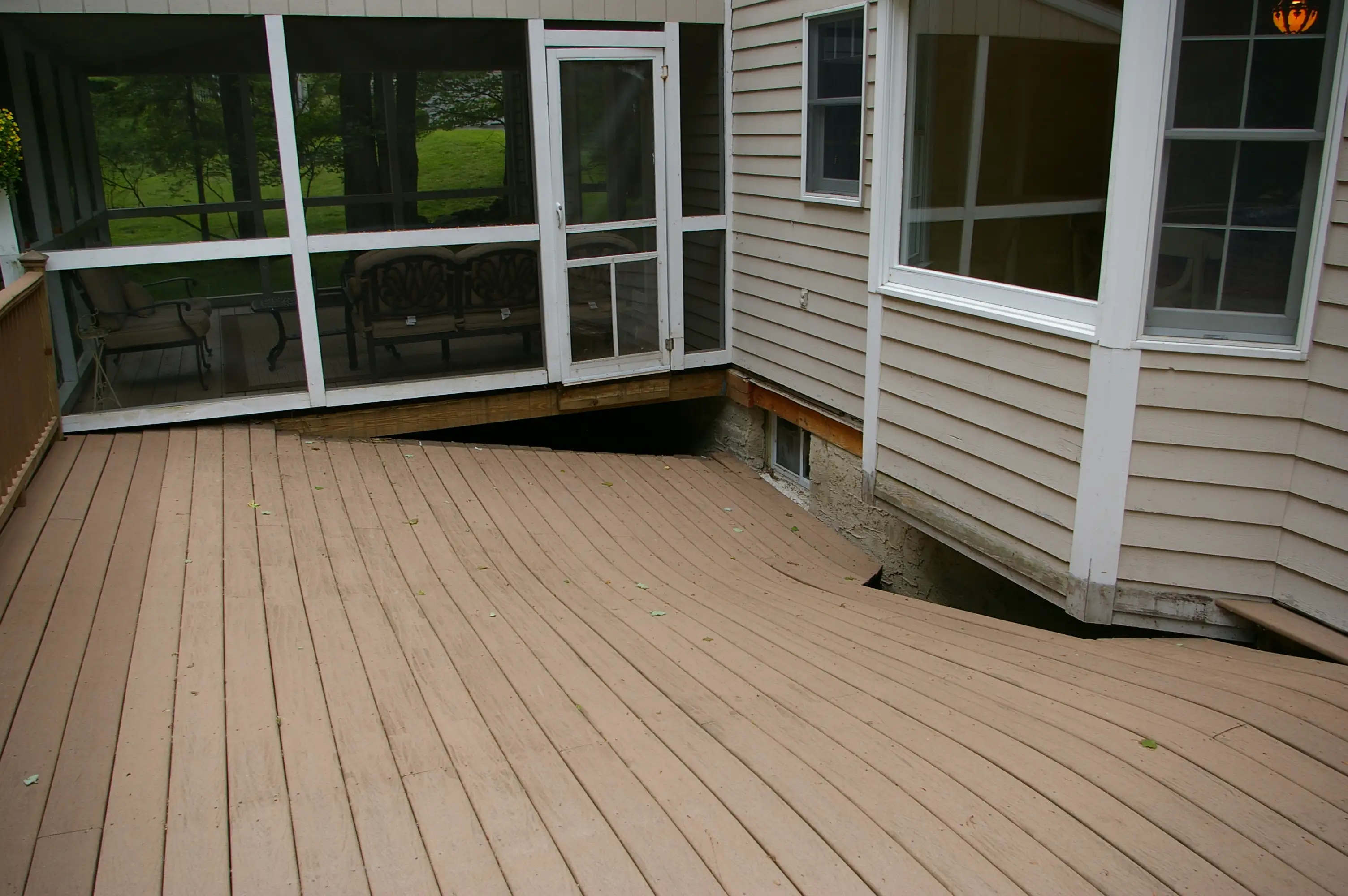
Deck structural failure — collapsed framing and boards

Decks

  • Soft or spongy boards underfoot
  • Loose or failing railings
  • Rotted posts, beams, or joists
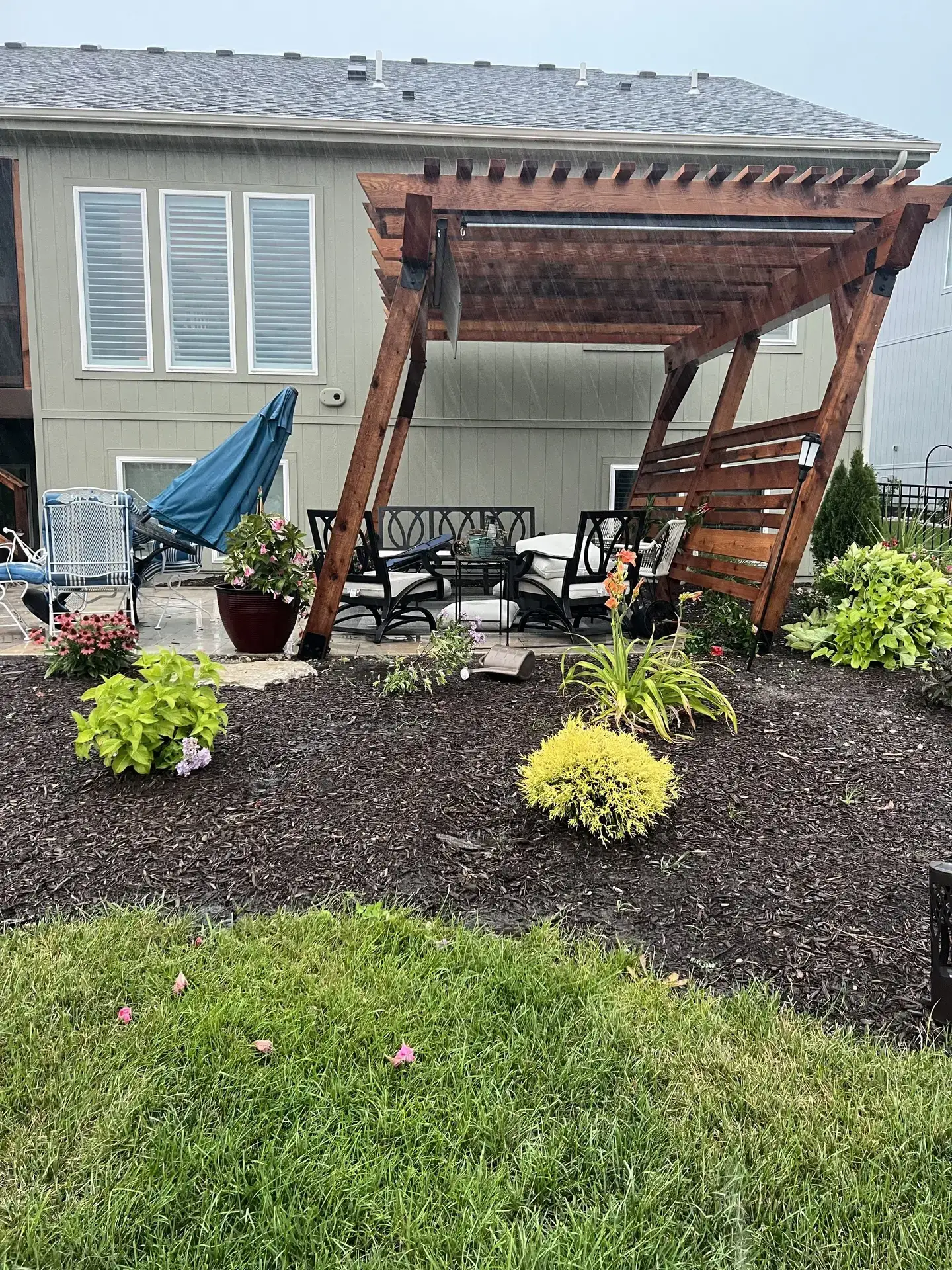
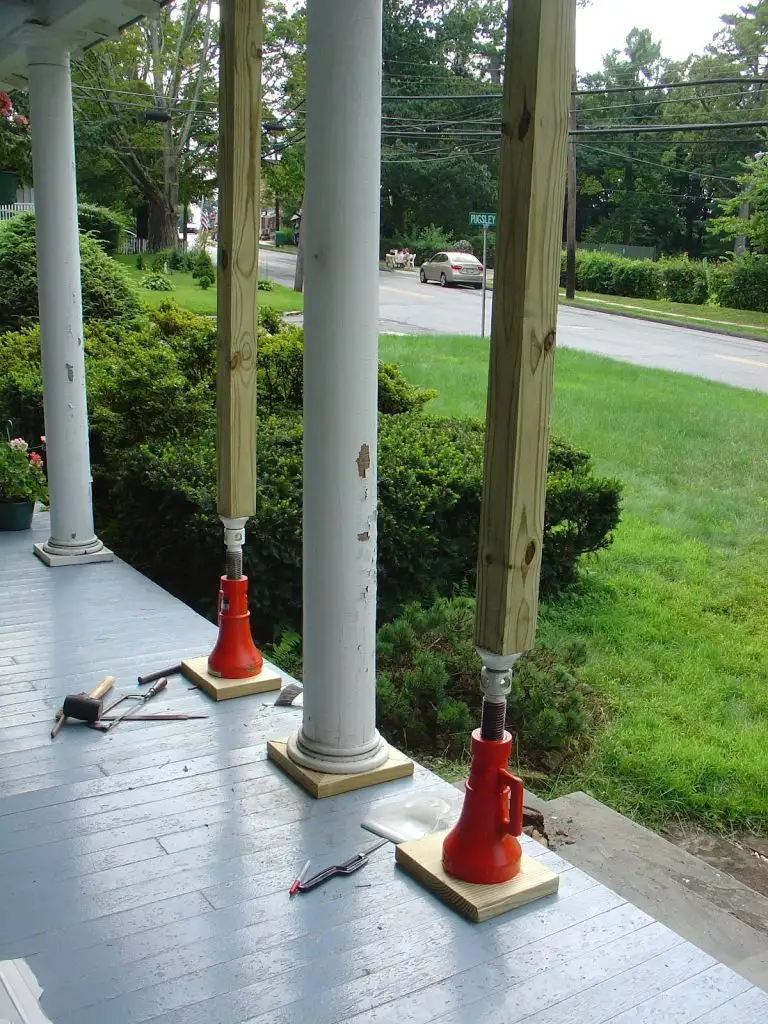
Leaning pergola structure — post base failure

Pergolas &
Patio Covers

  • Leaning or racking structure
  • Rot at post bases at grade
  • Cracked or sagging beams
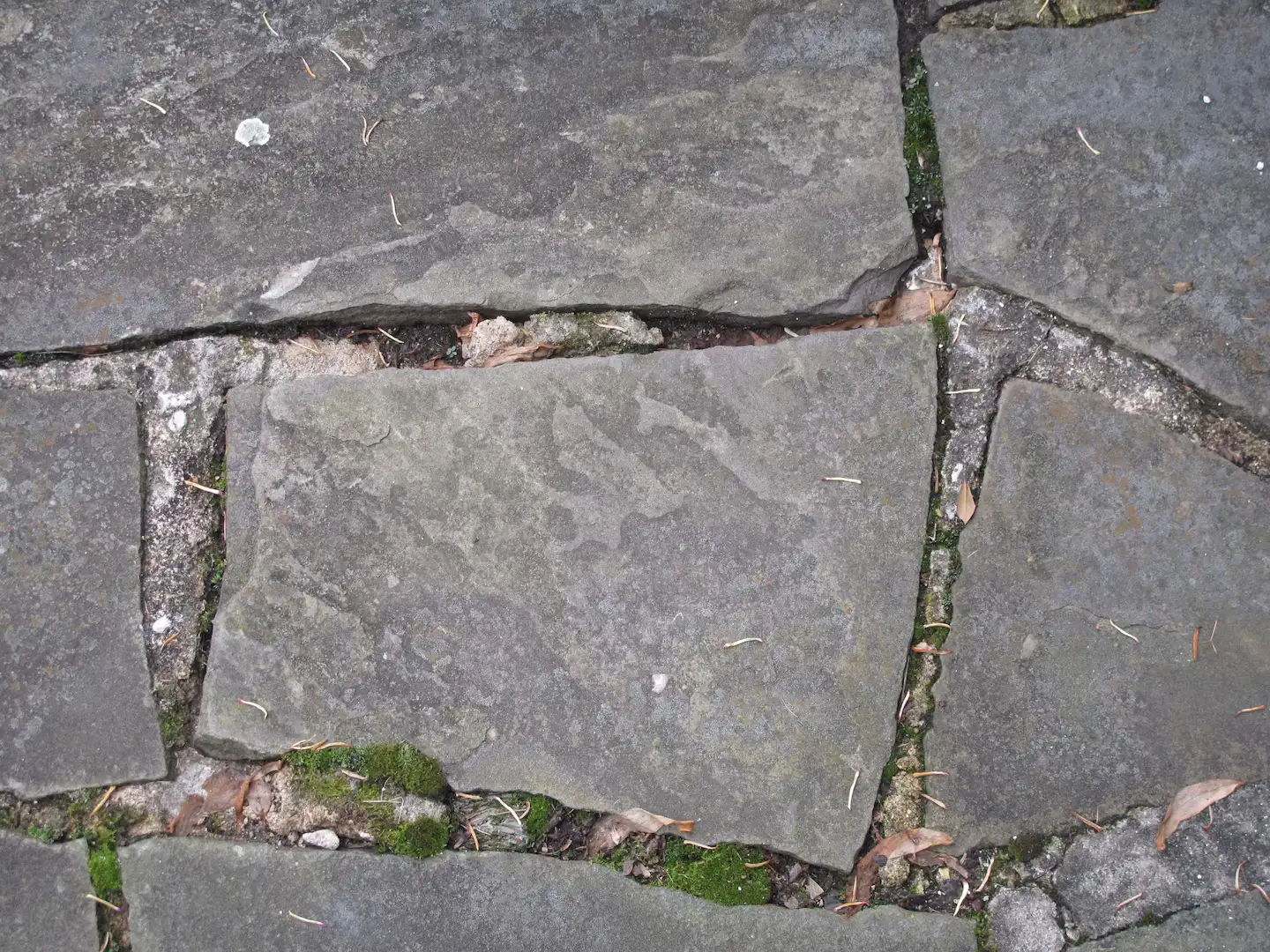
Masonry repointing and stone repair

Masonry &
Repointing

  • Missing or recessed mortar joints
  • Efflorescence staining
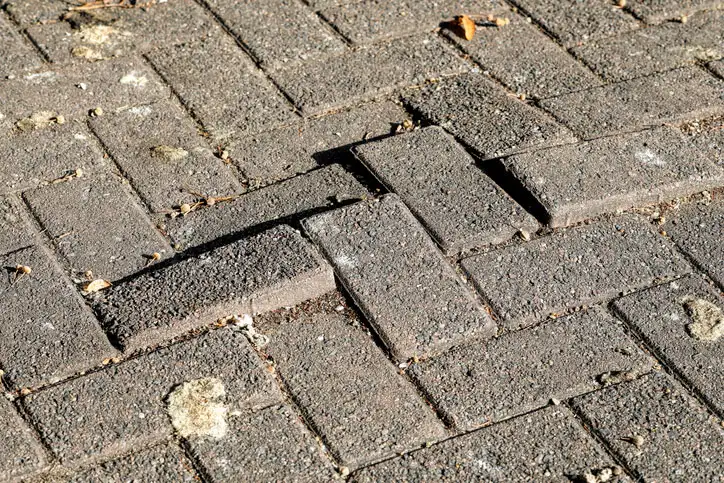
Flagstone and paver restoration

Flagstone &
Pavers

  • Sunken or rocking stones
  • Raised trip edges
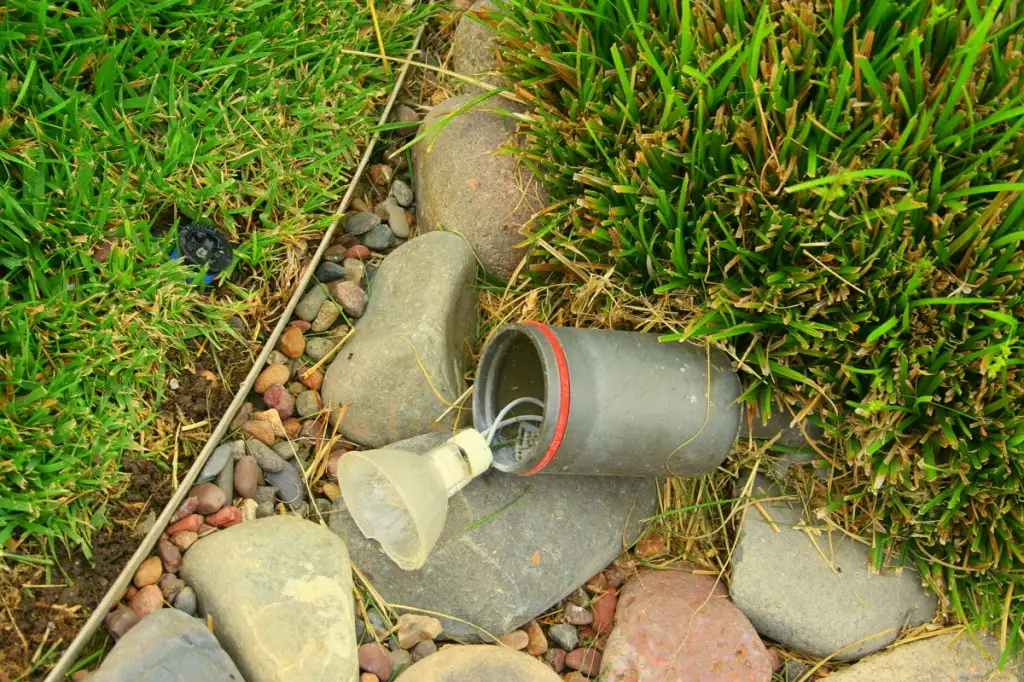
Landscape lighting repair and fixture troubleshooting

Landscape Lighting

  • Dead zones or partial outages
  • Flickering under load
  • Transformer faults
  • Corroded wire connections

Common Problems We Diagnose

Does any of this
sound familiar?

Most repairs start with a homeowner noticing something small — a movement, a sound, a visual change they can't quite explain. Here's what we hear most often, and what it usually means.

  1. Retaining Walls

    Your wall is leaning — even slightly.

    Hydrostatic pressure from saturated soil is pushing the wall outward. Once a wall starts to tilt, each rain cycle adds more stress. A wall that's leaning 2 inches today will be leaning 6 inches in two years. This does not stabilize on its own.

    Structural · Time-sensitive

  2. Retaining Walls

    The mortar between the stones is crumbling.

    Receding or missing mortar joints let water get behind the face, freeze-thaw cycles open the gaps further, and the wall's structural cohesion erodes. Repointing stops this early. Waiting turns a mortar repair into a wall rebuild.

    Masonry · Preventable

  3. Decks

    Something flexes when you walk across it.

    That spring or soft spot underfoot is almost never the surface board — it's in the framing. A joist is compromised, a post base has softened, or a beam connection has shifted. The decking boards are just where you feel it.

    Structural · Inspect framing first

  4. Decks

    The railing moves when you grab it.

    Even a quarter inch of play is a code violation and a real liability. The cause is almost always the post base — wood rot where the post meets the deck framing, or a failed post-anchor connection. Not the railing itself.

    Safety · Post-base diagnosis required

  5. Pergolas

    The post looks fine. But the structure is leaning.

    Above-grade wood usually looks fine for years after the failure has already started. The rot happens at or below ground level — where moisture, soil contact, and oxygen combine. By the time the post is visibly rotted, the damage is advanced. We find it early.

    Structural · Below-grade inspection

  6. Flagstone & Pavers

    Stones are sunken, raised, or rocking underfoot.

    The stone itself is usually fine. The base layer — sand, gravel, or compacted soil — has shifted, washed out, or heaved from root intrusion. Resetting the stones without addressing the base produces the same result in a year.

    Surface · Base layer is the fix

  7. Landscape Lighting

    Half the lights don't come on. Or they flicker.

    Dead zones or partial outages are almost always a wiring or connection issue — corroded wire nuts underground, a failed splice, or a transformer that's been overloaded over time. Tracing the circuit takes the right tools and experience with low-voltage systems.

    Electrical · Diagnosable

Repair or Replace?

The honest answer
depends on the structure.

When repair is the right call

Most structural problems — even ones that look severe — are worth repairing when the underlying cause is correctable. A retaining wall that's leaning because of drainage failure can be stabilized and pinned back once the drainage is redirected. A deck that flexes underfoot is still worth saving if the posts and ledger are sound and only a few joists have compromised. A pergola that's racking can often be reset and re-braced without a full teardown.

The threshold for repair is roughly this: if the primary structure is intact and the failure is localized, repair is almost always more cost-effective and less disruptive than replacement. The cost delta is significant — often 30 to 60 percent of full replacement cost — and the result, done correctly, lasts as long as a new build.

When replacement makes more sense

Some structures have reached the point where repair is no longer the right investment. A retaining wall where the batter has reversed, the drainage system has failed catastrophically, and the face stones are separating at every joint is not a candidate for localized repair. A deck where the ledger connection is compromised, multiple posts are rotted, and the subframe has been saturated for years will cost nearly as much to repair as to replace — and the new version can be built to modern standards.

We will tell you which situation you're in before we scope anything. If replacement is the better answer, we'll say so plainly. We're not in the business of selling repairs that won't hold.

Not sure which side you're on? A site visit takes about forty minutes and gives you a clear answer either way. Schedule a walkthrough →

Why These Problems Happen

The same four forces
are behind almost every failure.

01 Drainage failure

Water has to go somewhere. When it can't drain away from a structure — because of improper grading, blocked weep holes, or hardscape that channels runoff against the foundation — it saturates the soil, increases hydrostatic pressure, and begins pushing outward on whatever is in the way. Retaining walls lean. Post footings heave. Deck ledger connections rot.

Most structural failures we see trace back to a drainage problem that was never corrected. Fix the drainage and the structure stabilizes. Skip it and the repair fails again — usually faster the second time.

The #1 cause of retaining wall failure in Central Texas.

02 Expansive clay soil

Austin sits on Blackland Prairie clay — one of the most volumetrically active soils in the country. Wet, it swells. Dry, it cracks and pulls away. Structures built on or against it experience constant seasonal movement: heaving in spring, lateral thrust in wet years, settled voids in drought.

This is why pavers rock, retaining walls shift, and post footings that were plumb at installation are visibly off-axis within a few years. Not workmanship. Soil behavior that has to be engineered around — and accounted for in every repair scope.

Blackland clay can expand up to 30% by volume when saturated.

03 UV exposure & thermal cycling

Central Texas delivers roughly 220 sunny days per year. Surface temperatures on decks and pavers push above 140°F in summer. UV degrades sealers, fastener coatings, and wood fiber faster than most climates. Then one or two hard freezes per winter force water in mortar joints to expand, crack the bond, and let the next rain deepen the gap.

Materials that last 25 years in the Pacific Northwest age in 15 here. The window between preventable repair and necessary replacement is shorter than most homeowners expect.

220 sunny days per year. Surface temps above 140°F.

04 Root intrusion & organic settlement

Live oaks, cedar elms, and native cedar have aggressive shallow root systems. They follow moisture and will work under paver bases, through retaining wall drainage aggregate, and beneath flagstone within a few growing seasons. A slightly raised stone becomes a trip hazard, then a compromised base, then a full-section reset.

The fix is straightforward once the intrusion is identified. The mistake is resetting stones without removing the root mass and installing a barrier — which returns you to the same problem in three to four years.

Roots can travel 2–3× the canopy radius from the trunk.

How We Evaluate Repairs

We don't scope anything
until we understand the cause.

Every repair starts with a site visit. Here's exactly what happens between that call and the moment work begins.

Site walkthrough

We walk the property with you. You show us everything you've noticed — the lean, the crack, the soft spot, the dead zone. We listen before we look at anything in detail.

Root cause diagnosis

We identify the underlying failure — drainage, soil movement, UV degradation, root intrusion — not just the visible symptom. A repair scoped around a symptom fails again. We don't do that.

Honest scope conversation

We tell you what we found, what it means, and what the options are. If repair is the right call, we explain why. If replacement makes more sense, we say that too — plainly, with a reason.

Written estimate

A clear estimate — what we're doing, what materials we're using, and what it costs. No ranges. No surprises after the fact. You approve it before anything moves.

Repair & follow-up

We complete the work, walk it with you at the end, and answer any questions. If the root cause required a drainage correction or soil amendment, we explain what we did and why it matters long-term.

Why Expertise Matters in Repair Work

A repair that addresses the symptom fails again.

Repair work is harder than new construction in one specific way: you inherit someone else's decisions. The drainage that was never installed. The footing that was undersized. The mortar that was the wrong mix ratio for Texas heat. A competent repair has to diagnose all of that before a single material is touched.

We've been building and repairing outdoor structures in Central Texas for over a decade. The difference between a repair that holds and one that doesn't is almost never the materials — it's whether the person doing the work understood what caused the failure in the first place.

We work on what we build.

We install retaining walls, decks, pergolas, flagstone, and lighting systems. That means we repair them with the same standards we'd hold our own new work to. We know how they're built, what fails first, and what a correct fix looks like.

We diagnose before we scope.

We don't send a crew to do work until we understand why the failure happened. That walk-and-diagnose step is not billable. It's how we make sure the repair scope is actually correct.

We say no when repair isn't the answer.

If a structure has failed past the point where repair makes economic sense, we tell you. A contractor who only does repairs has an incentive to repair everything. We don't.

Your questions

Answered
clearly.

These are the questions that come up on nearly every repair project. Answered directly — no deflection, no contractor-speak.

Fairfield Innovations · Austin, TX

Stop watching it
get worse.

Most outdoor repairs are smaller and cheaper than homeowners expect — until they sit on them for another season. We’ll walk the site with you, tell you exactly what’s wrong, and give you a written estimate before any work begins.

512-200-4724

Free diagnostic walkthrough — no commitment until you approve the scope.

Get in Touch

Let’s talk about your project.

Fill this out and we’ll follow up with a discovery call — no commitment, no pressure.