
West Austin Lawns in July: When to Stop Fighting the Grass
By late July, a lot of West Austin lawns are in a standoff. The St. Augustine is going gray-green and crisping at the edges, the water bill has doubled, and the homeowner is out there most evenings with a hose trying to hold the line. Some of that grass is worth saving. A fair amount of it is asking for more than this ground and this climate will ever reliably give.
Knowing which is which saves you a season of throwing water at a lawn that was never going to make it.
First, Read the Restrictions Before You Read the Grass
Austin Water sets watering schedules that tighten as drought stages escalate, and for most of the last several summers that has meant automatic irrigation is limited to roughly once a week, on an assigned day tied to your address. Hand watering and drip get more leeway, but the era of running the sprinklers three mornings a week is gone for the foreseeable future.
This matters before you diagnose anything, because it changes the standard. A lawn that needs three waterings a week to look good is not a lawn you can keep looking good under current rules. Check your current stage and assigned day on the Austin Water site, then judge the grass against what you are actually allowed to give it, not against what it wanted in 2015.
What Heat Stress Looks Like vs. What Dying Looks Like
Not all brown is the same, and the response is different for each.
Drought stress (recoverable):
- Blades fold or roll lengthwise to conserve water
- A gray-blue cast across the lawn
- Footprints stay pressed in instead of springing back
- Color returns within a day or two of a deep watering
Grass doing this is dormant-defending, not dead. Deep, infrequent watering on your assigned day usually carries it through.
Actual decline (not worth chasing):
- Straw-brown patches that stay crunchy even after water
- Thinning that spreads from the same spots every year
- Full sun areas that never recover while the shaded parts stay fine
When the same south- and west-facing stretches fail every July, that is not a watering problem you can fix. That is the wrong plant in the wrong spot, and no amount of hose time changes it.
Water Deep and Rarely, Not Often and Shallow
For the grass that is worth keeping, how you water matters more than how much.
- Deep and infrequent beats light and frequent. A single soak that wets the soil six inches down drives roots deeper, where the ground stays cooler and holds moisture. Daily sprinkles keep roots shallow and dependent, which is the opposite of what you want in a restriction.
- Water before sunrise. Early morning cuts evaporation and gives blades time to dry, which lowers disease pressure. Evening watering leaves grass wet overnight and invites fungus in the humidity after a summer storm.
- Mow high and leave the clippings. Set the mower to three or four inches. Taller blades shade their own roots and the soil surface, and clippings left in place return moisture and nutrients instead of hauling them to the curb.
Do these three things and a lot of “dying” St. Augustine turns out to be perfectly alive, just dormant and waiting.
When the Lawn Is Telling You Something
Sometimes the grass is right and you are wrong to keep fighting it. The clearest signal in West Austin: the parts of the yard that fail are almost always the hot, exposed, thin-soil parts, and they fail in the same place every year.
That is worth taking seriously instead of reseeding. A few honest questions:
- Do you actually use the area that keeps dying, or is it lawn out of habit?
- Is it a strip along the driveway, a slope, or a west-facing bank that bakes all afternoon?
- Are you watering that zone hard mainly so it matches the rest of the yard?
If the dying zone is a place nobody plays or gathers, it is a strong candidate to stop being lawn. Which leads to the real fix.
The Alternatives That End the Fight
You do not have to choose between a thirsty lawn and a gravel pit. The productive middle is keeping turf where you use it and converting the rest to something built for this climate.
Native and low-water turf. If you want the feel of grass with far less water, buffalograss or a native turf blend like Habiturf, developed by the Lady Bird Johnson Wildflower Center, was bred for Austin sun and thin soil. It goes softer and more meadow-like than a manicured St. Augustine, but it survives on a fraction of the water.
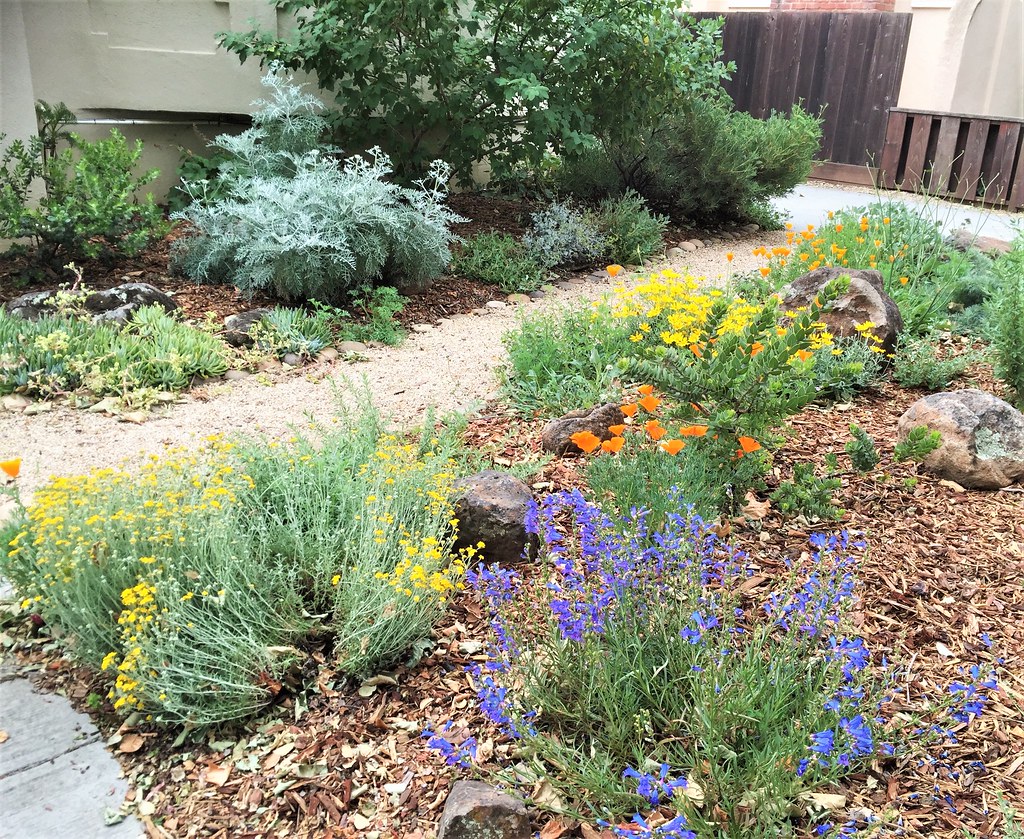
Convert the hard zones to native beds. The west-facing strip that dies every year is where cenizo, salvia, muhly grass, and blackfoot daisy actually want to live. Layered densely, those beds shade their own soil and settle into once-a-week water or less, and they look intentional rather than surrendered.
Right-size the lawn. Keep a real patch of turf where the kids and the dog use it. Shrink it everywhere else. A smaller, well-placed lawn watered deeply on your assigned day looks far better than an oversized one stretched thin across ground that cannot support it.
The Short Version
Before you spend another July night on the end of a hose, figure out which fight you are in. Check what Austin Water lets you give the lawn right now. Tell dormant grass apart from dead grass, and for the grass worth keeping, water deep, water early, and mow high. Then look hard at the zones that die every single year in the same hot corners, because those are not asking for more water. They are asking to become something else.
The best time to plan that conversion is now, while the trouble spots are obvious. The best time to plant it is this fall, when new roots can establish before they ever have to face a summer like this one.
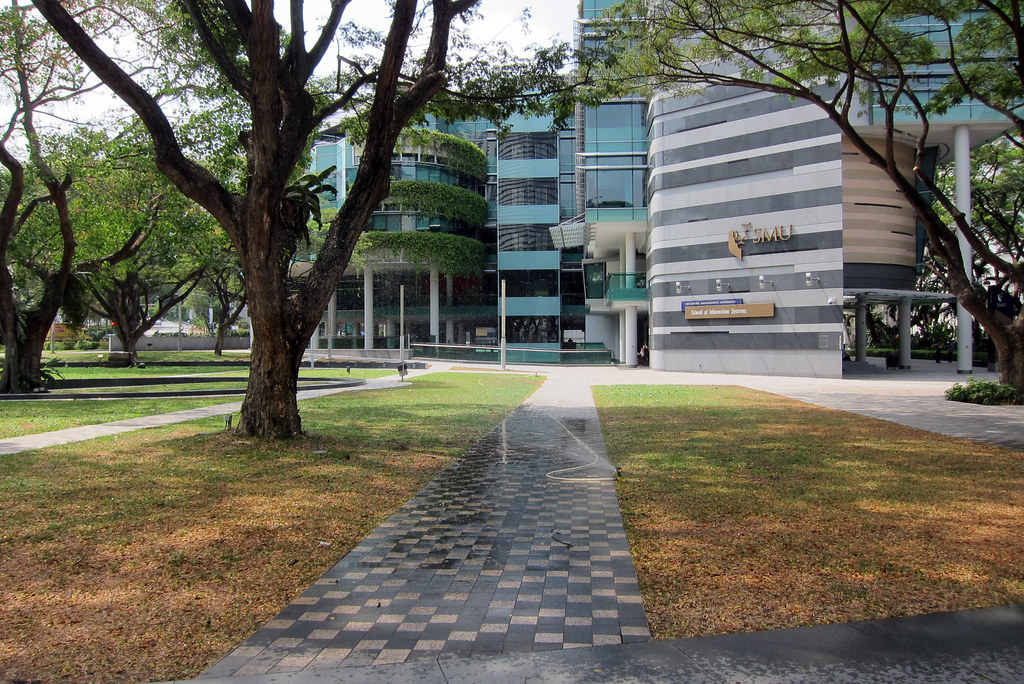
Image credits: Header photo — sprinklers on a drought-stressed lawn by Jnzl’s Photos, CC BY 2.0. Native-plant front yard with walkway by California Native Plant Society, CC BY 2.0.