
Living in West Austin means embracing the iconic “Hill Country Life.” Whether you’re overlooking the shimmering waters of Lake Austin or tucked into the rugged canyons of Cat Mountain, your property likely has more verticality than a downtown high-rise.
While the views are world-class, the terrain is a unique challenge. A retaining wall here isn’t just a weekend DIY project; it’s a structural necessity that balances high-end engineering with that classic Austin aesthetic.
1. Why West Austin Demands More from a Wall
In other parts of the country, a retaining wall simply holds back dirt. In West Austin, a retaining wall holds back history and hydrology.
- The Limestone Reality: Most West Austin soil is “thin”—often just a few inches of topsoil over solid Edwards Limestone or crumbly caliche. Excavation requires specialized heavy machinery and often a jackhammer attachment.
- Hydrostatic Pressure: When those intense Texas “frog-stranglers” hit, water moves fast. If your wall isn’t designed to “breathe,” the weight of water-logged soil can exert thousands of pounds of pressure, eventually causing the structure to bow or collapse.
- Erosion Prevention: Without a wall, the nutrient-rich soil you spent thousands on for your landscaping will end up in your neighbor’s pool after the first major storm.
2. Choosing Your Material: The “West Austin Look”
You want your wall to look like it grew out of the ground, not like an eyesore dropped into the middle of a nature preserve. Here are the top contenders for our local architecture:
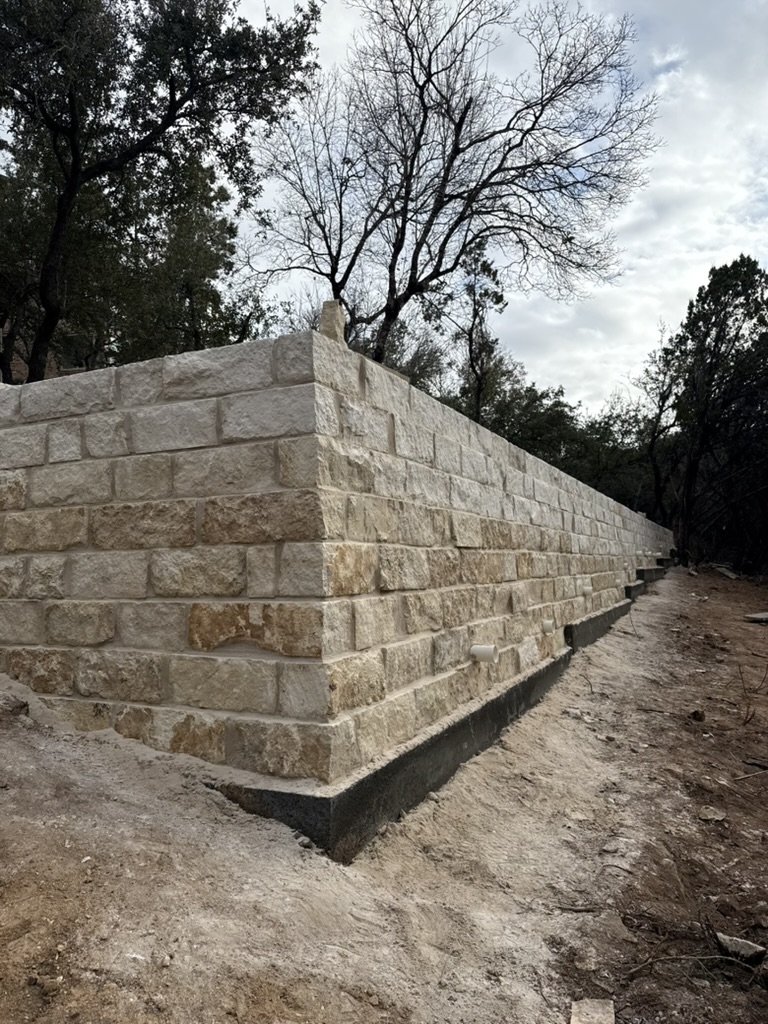
Natural Texas Limestone
This is the gold standard for Westlake and Rollingwood estates.
- Pros: Perfectly matches the natural outcroppings of the area; incredibly durable.
- Cons: Higher labor costs due to the weight and skill required for dry-stack or mortar work.
Lueders Stone
For a more modern, “Austin Contemporary” look, sawn Lueders stone offers clean lines and a sophisticated grey, cream, or charcoal palette. It’s a favorite for homes with expansive glass and steel features.
Segmental Retaining Walls (SRW)
These are engineered concrete blocks (like Belgard or Keystone).
- Pros: Faster to install and excellent for massive height requirements.
- Cons: Can look a bit “commercial” if not chosen carefully to match the home’s color palette.
| Material | Aesthetic | Durability | Relative Cost |
|---|---|---|---|
| Limestone | Rustic / Classic | High | $$$ |
| Lueders | Modern / Sleek | High | $$$$ |
| Concrete Block | Structured / Clean | Very High | $$ |
3. The Engineering Secret: It’s All About Drainage
The #1 reason retaining walls fail in Austin isn’t the quality of the stone—it’s the water trapped behind it. To ensure your investment lasts for decades, your build must include:
- Gravel Backfill: At least 12 inches of angular crushed stone directly behind the wall to allow water to drop straight down rather than pushing against the stone.
- Perforated Drain Pipe: Often called a “French drain,” this sits at the base of the wall (behind the stone) to channel water safely away to a designated drainage point.
- Weep Holes: Small, intentional gaps in the face of the wall that allow any trapped moisture to escape.
4. Landscaping Your Tiers
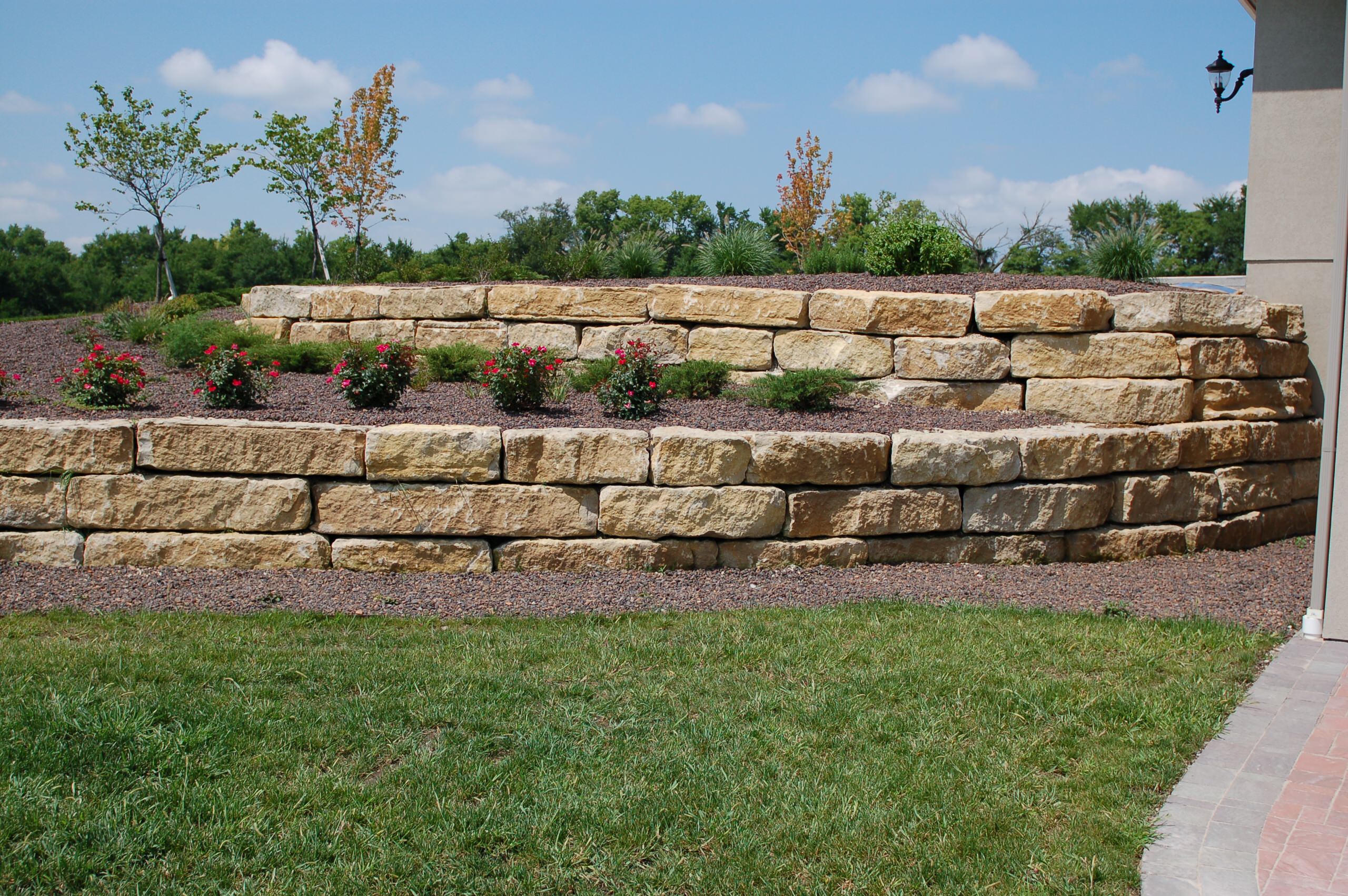
A single, massive 8-foot wall can feel like a concrete fortress. Instead, many West Austin homeowners opt for terracing. By building two or three smaller walls (3 feet each) in a “stair-step” fashion, you create beautiful “planting pockets.”
What to plant in your new Austin terraces:
- Trailing Plants: Silver Ponyfoot or Prostrate Rosemary to “spill” over the edge and soften the stone.
- Structural Plants: Whale’s Tongue Agave or Texas Yucca to provide a dramatic focal point.
- Drought-Tolerant Color: Blackfoot Daisy, Lantana, or Autumn Sage for that rugged, Hill Country pop of color.
Final Thoughts
A retaining wall in West Austin is an investment in your property’s usable square footage. It turns a “useless” slope into a functional patio, a terraced garden, or a level play area for the kids—all while keeping the Texas terrain exactly where it belongs.
Are you planning a landscaping project in West Austin soon?
Contact Fairfield Innovations today to schedule an assessment.