
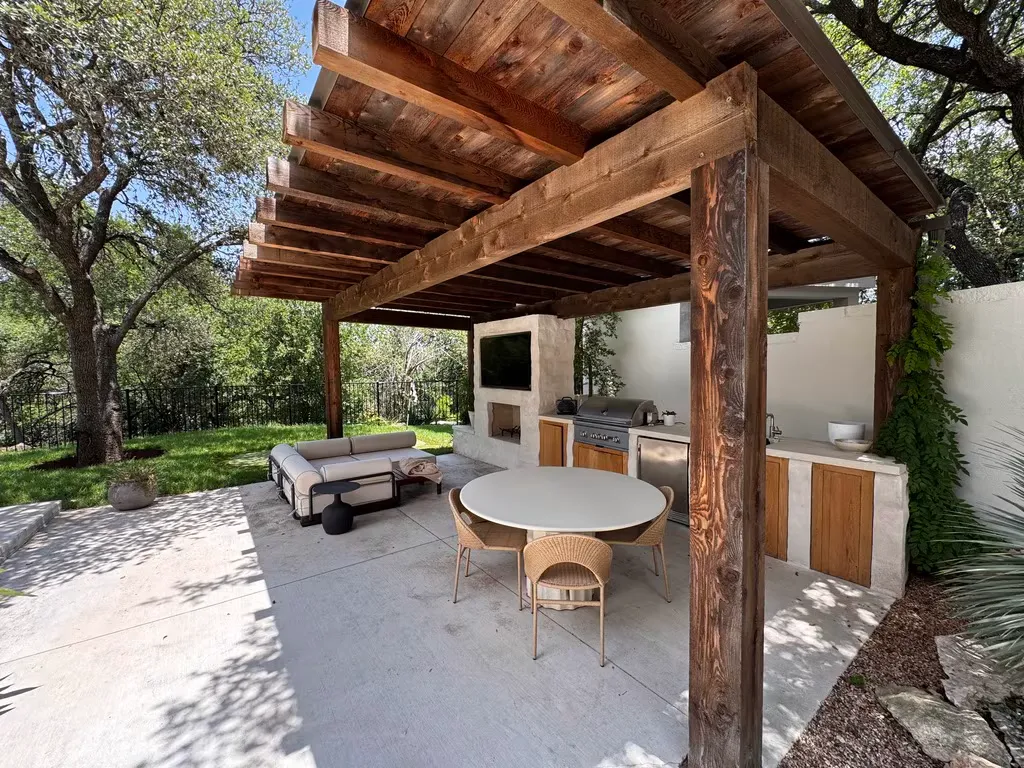

The short answer: fall is the best time to plant sod in Austin, spring is a close second, and summer works if you can water it properly for the first few weeks. Winter is the one season to avoid. The longer answer depends on what you’re planting, how much sun the yard gets, and what Austin Water lets you give a new lawn.
Here’s how each season plays out on the West Lake Hills and West Austin lots we install on.
Fall: the best window
Warm-season grasses like Palisade Zoysia, St. Augustine and Bermuda grow roots well into fall, while the air cools down and the sun stops baking the surface. Sod laid in September through early November has weeks of root growth before the grass goes dormant, then a full spring to establish before it ever faces a Texas summer.
Rain is also more reliable in fall, which means less hand watering during the establishment weeks. This is the same reason our landscaping FAQ calls fall the ideal time to start planting projects in general.
Spring: a close second
Once the grass greens up and soil temperatures climb, usually from April on, sod roots quickly. Spring installs do well as long as you stay on top of watering when the first hot stretch arrives in May and June. The main risk is a lawn that goes in late, looks fine in May, and then meets July with shallow roots.
Summer: possible, but only with water
You can plant sod in an Austin summer. What decides whether it takes is water, not the calendar. New sod has almost no roots for the first couple of weeks, so it needs frequent, consistent watering until roots grab the soil underneath. A lawn that has only its assigned once-a-week watering day will struggle.
If you’re installing between June and August:
- Check Austin Water’s current drought stage and rules for watering new landscape before you order sod.
- Plan to water lightly and often for the first two to three weeks, then taper to deeper, less frequent soaks as roots develop.
- Pick a grass that suits the spot. Palisade Zoysia handles the mix of sun and shade on most West Austin lots, St. Augustine wants more water, and Bermuda needs full sun. Our guide to choosing the right sod for a West Austin yard compares them.
If the area that keeps failing is a hot, west-facing strip nobody uses, summer is a good time to ask whether it should be lawn at all. West Austin Lawns in July covers when to stop fighting the grass, and xeriscaping without the gravel-pit look covers what to plant instead.
Winter: wait
Warm-season grasses are dormant from roughly December through February. Dormant sod can survive being laid, but it can’t root, so it sits on the surface through freezes and dry wind. Unless there’s a reason it can’t wait, plan the install for spring.
Prep matters more than the date
A good season won’t save sod laid on bad ground. Every install we do starts the same way:
- Strip the existing grass, weeds and roots completely.
- Bring in topsoil to reach proper grade, especially over West Lake Hills caliche and shallow rock.
- Grade so water moves away from the house and doesn’t pool. If the yard has a real drainage problem, fix that first.
- Lay, fit and roll the sod so there are no air pockets under it.
- Leave a clear watering plan for the first three to four weeks.
The short version
Fall is best, spring is good, summer works with a real watering plan, and winter should wait. Whatever the season, the prep and the first few weeks of water decide whether the lawn takes.
Planning new sod or a full yard? Request a free consultation and we’ll look at your sun, soil and grade before recommending a grass or a start date.